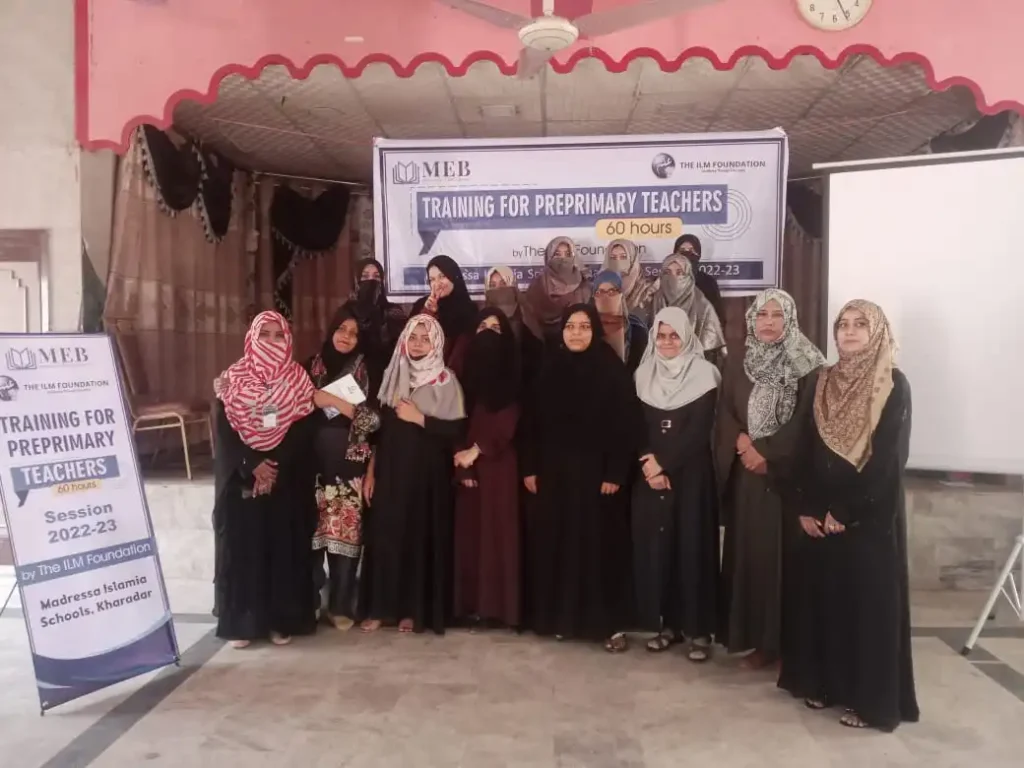
Training
Leadership Training
Leadership training is a process by which individuals are equipped with the skills and knowledge necessary to lead others effectively. It can include instruction on topics such as communication, decision-making, problem-solving, and team-building. Leadership training is often offered by organizations and businesses, as well as by educational institutions.
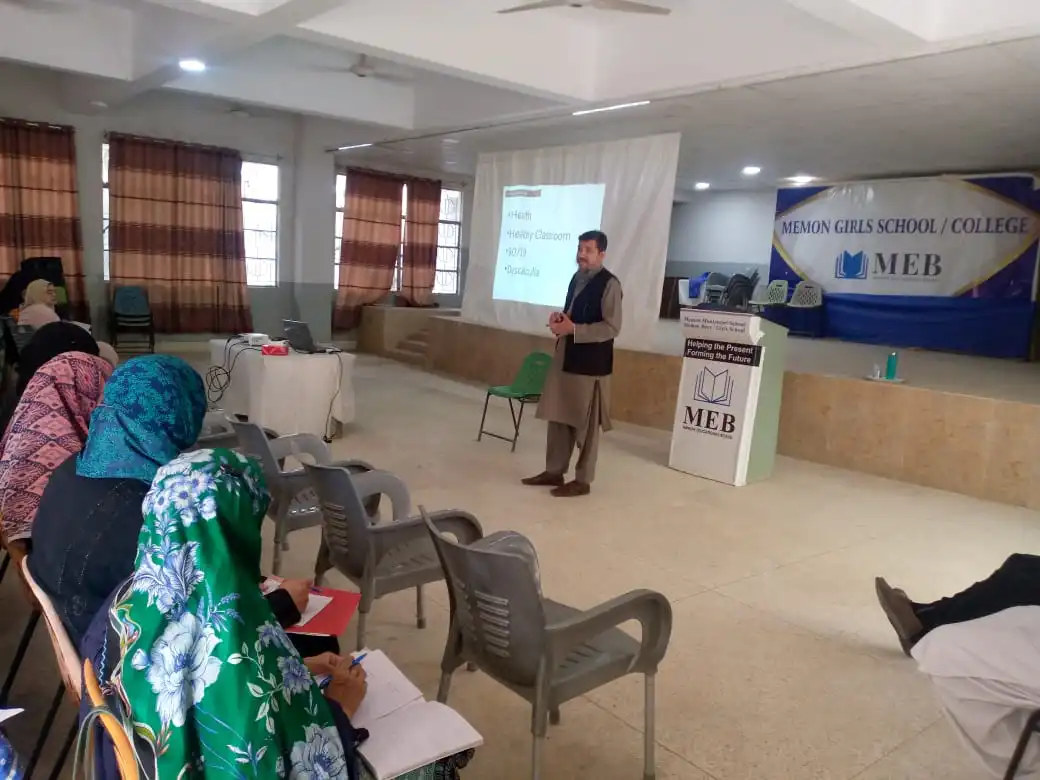
Value Based Training
Value-based training is an essential aspect of personal and professional development that emphasizes the importance of ethical and moral principles in decision-making and behavior. Through value-based training, individuals can cultivate a sense of self-awareness, empathy, and respect for others, which are crucial in building positive relationships and creating a harmonious and just society. By focusing on values such as honesty, integrity, compassion, and responsibility, value-based training helps individuals develop a strong sense of character and purpose that enables them to navigate complex challenges and make meaningful contributions to their communities.
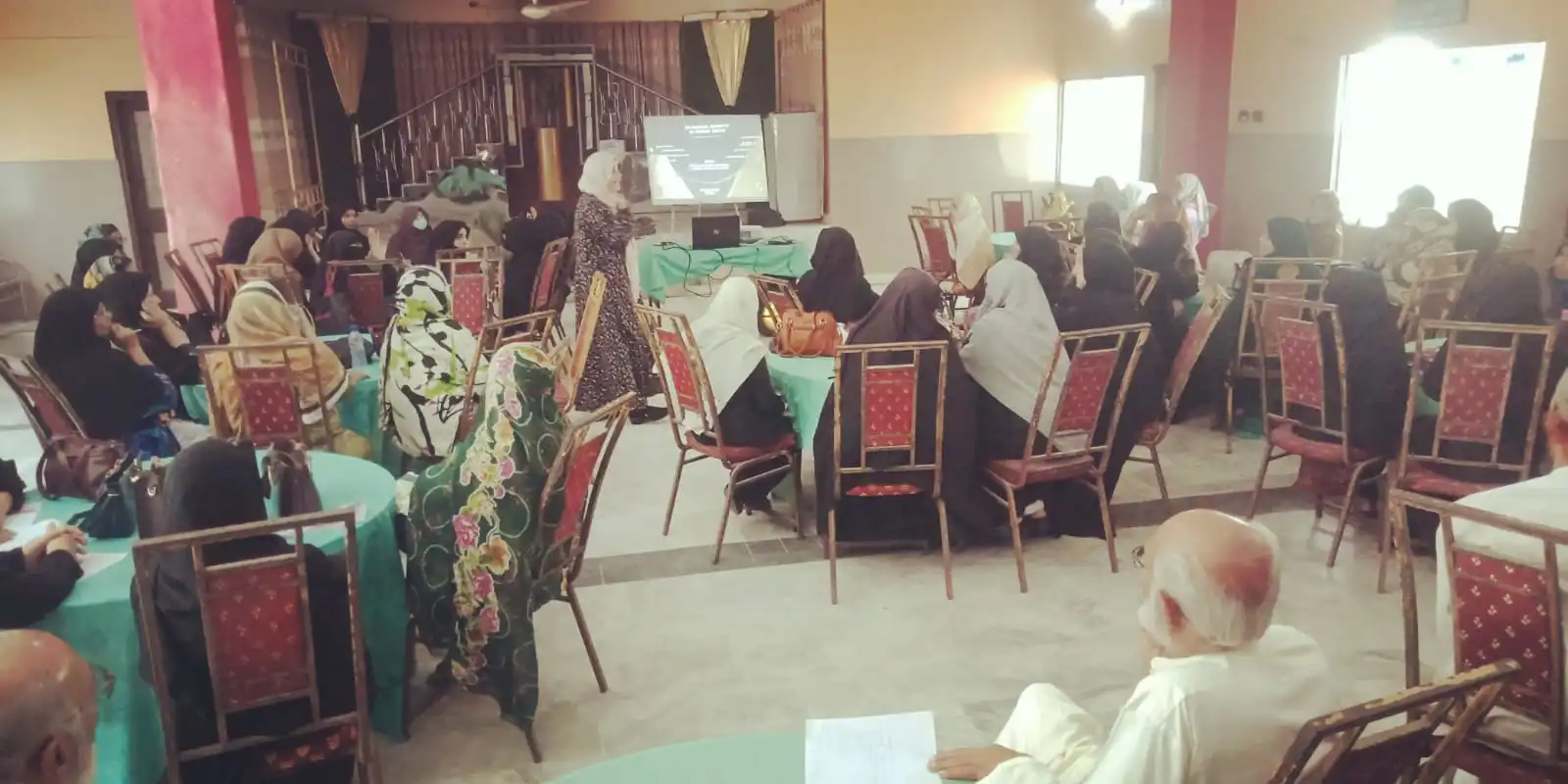
Subject Training
Subject training is a form of education that is designed to teach a student about a specific topic or subject. This type of education can be found in academic institutions, such as schools & colleges, as well as in corporate settings, where employees are taught new skills to help them be more productive in their jobs.
Subject training can also be beneficial for personal development. For example, someone who wants to learn more about a certain topic can take courses or workshops that teach about that subject. This can help the person gain knowledge and skills that they can use in their personal life, as well as in their professional life
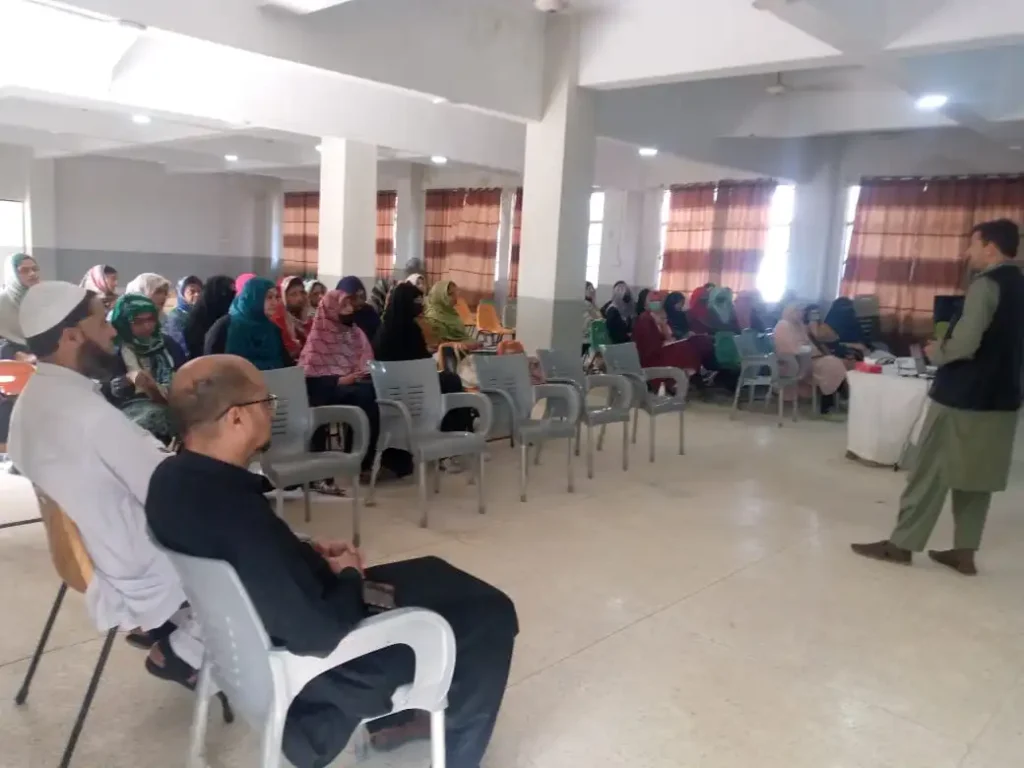
Pre-Primary Teachers Training
Pre-primary teachers training is the process of educating and training pre-primary school teachers. It is designed to provide these teachers with the necessary skills and knowledge to work with children aged 3-6 years old.
The pre-primary teachers training process typically includes a combination of theoretical and practical learning. Teachers learn about child development, early childhood education, teaching methods and strategies, and more. They also get the opportunity to put these skills into practice by working with real students in a classroom setting.